
You Don’t Sleep in a Room: The Microclimates That Decide Your Night
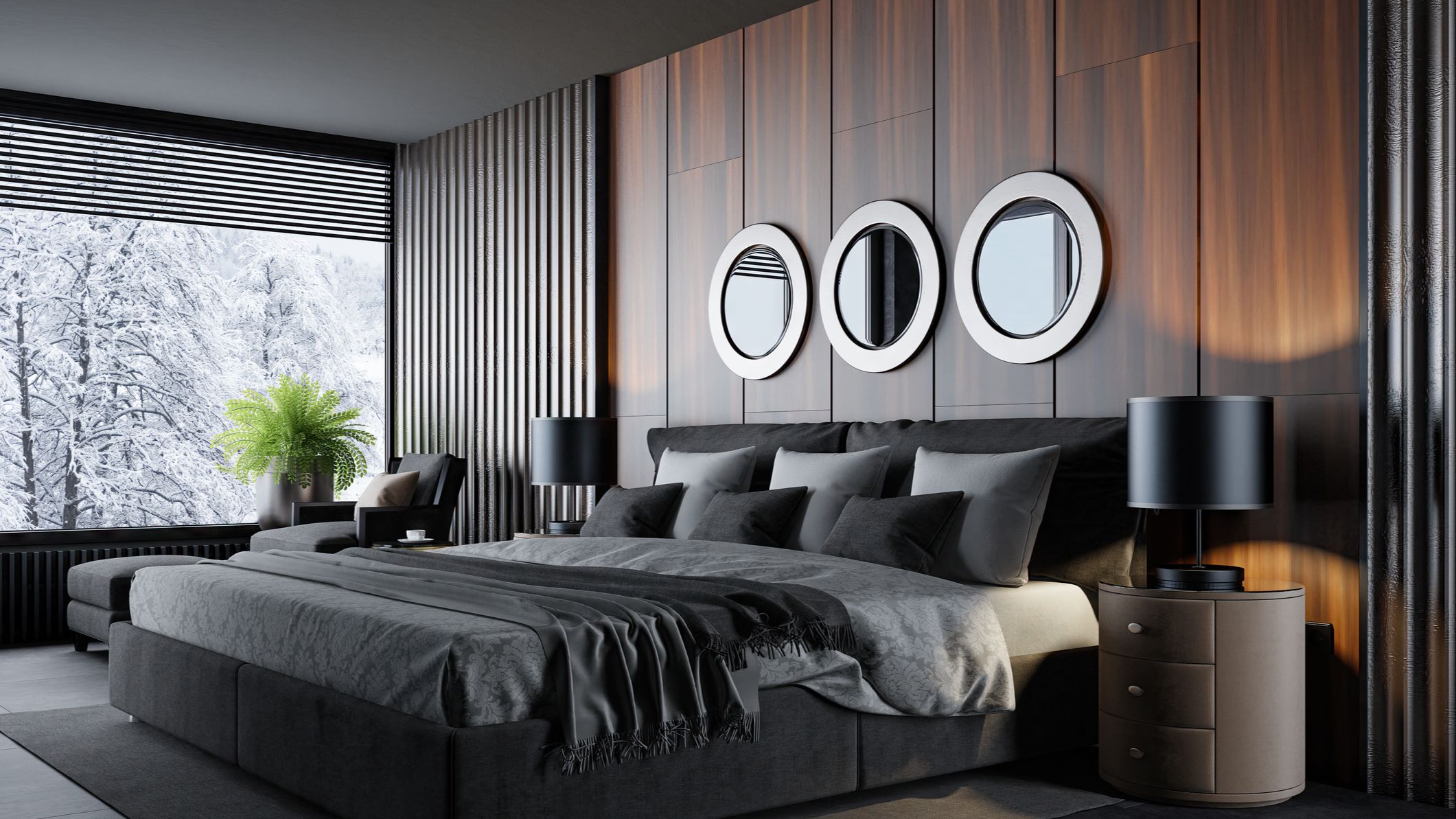
Most sleep advice on environments still centres on two levers: a good mattress and a cool bedroom. Both matter, but modern sleep physiology suggests that the body responds most strongly to something far more local:
The temperature and humidity right at the skin.
In practice, you don’t sleep in a room. You sleep inside a stacked hierarchy of environments, and the deepest layer, the one your nervous system is constantly responding to, is a set of microclimates created by your sleep system (mattress, clothing, bedding). When these microclimates trap heat and moisture, sleep fragments even if the room feels “fine”. When they’re stable, sleep becomes deeper, calmer, and more restorative. [1,2,13]
A Hierarchy of Environments: From Planet to Physiology
Sleep occurs inside a nested environmental system where each layer shapes the one beneath it:
Environment > Microclimate > Physiological response
1. The macro environment: Earth-level conditions
At the widest level, human sleep biology is shaped by environmental rhythms such as the light–dark cycle and seasonal temperature changes. Circadian timing and thermoregulation are coupled systems: as night approaches, physiology typically shifts toward lower arousal and a gradual reduction in core temperature. [1,13]
2. The built microclimate: the room
Most people sleep in a constructed “proxy environment” (a bedroom, hotel room, or cabin). The room sets the baseline for:
- Ambient temperature
- Relative humidity
- Air movement
- Air quality (e.g., CO₂, VOCs, particulates)
- Light exposure
- Noise and vibration
Even modest heat, humidity and CO₂ levels can degrade sleep in overheated and poorly ventilated rooms, particularly when the body cannot effectively shed heat. [7,8,14]
3. The sleep-system microclimates: what the body actually sleeps inside
Inside the room, we create secondary microclimates through the mattress, sleepwear, and bedding. These are the environments your thermoreceptors and autonomic nervous system respond to most directly:
- Mattress–skin microclimate (under-body)
- Pyjama–skin microclimate (clothing boundary layer)
- Skin–duvet microclimate (top-of-body bedding envelope)
This is the key insight: the thermostat doesn’t control the microclimate at your skin. Your materials do. [1,2,6,13]
Why Temperature and Humidity Change Sleep Physiology
Sleep initiation and stable deep sleep depend in part on effective heat loss. Throughout the night, thermoregulation interacts with sleep stages: when the body struggles to dissipate heat (especially in warm, humid conditions), physiological strain increases, often manifesting as increased movement, lighter sleep, and fragmented REM/deep sleep. [1,2,13]
Controlled studies have shown that humid heat exposure, particularly later in the night, can alter sleep stages and disrupt the normal pattern of body temperature regulation during sleep. [2]
In plain terms, heat is uncomfortable, but humidity is often the hidden amplifier, because it impairs evaporation and makes the body work harder to cool itself. [1,2]
The Three Microclimates (and What the Evidence Suggests)
1. Mattress–skin microclimate: the hidden heat and humidity trap
This is the most sealed layer: once your body loads the mattress, airflow drops, and humidity can accumulate at the contact interface.
Research on the “loaded support interface” shows that materials and designs that improve airflow and microclimate control (e.g., spacer fabrics, airflow technologies) can meaningfully change the temperature/moisture conditions at the skin–mattress boundary. [6]
Why it matters: Under-body heat and moisture are hard to escape. This is often why people fall asleep fine but wake later warm, damp, and restless.
What tends to help (evidence-led):
- Airflow-enhancing materials/structures at the loaded interface (to reduce humidity build-up). [6]
- Temperature-controlled mattress covers: clinical and applied studies report improvements in sleep and cardiovascular recovery when mattress surface temperature is actively regulated. [4,5]
- Mattress properties can matter more under strain: when training load is high, mattress characteristics may modulate sleep propensity and related outcomes. [11]
Practical microclimate upgrades (low-tech):
- Prefer hybrid/coil designs or breathable builds over dense foams if overheating is a recurring issue. (Mechanistically consistent with airflow findings at the interface.) [6]
- Be cautious with fully waterproof synthetic protectors: they often reduce moisture transfer and can worsen the under-body humidity pocket.
2. Pyjama–skin microclimate: the layer closest to the biology
Sleepwear creates a thin boundary layer that either supports heat loss (via moisture transport and breathability) or traps warmth and humidity.
A 2024 systematic review examining sleepwear and bedding fibre types highlights that textile choice can influence sleep quality outcomes, largely through thermal and moisture management pathways. [3]
Why it matters: this layer sits directly on thermoreceptors and influences the skin’s ability to evaporate moisture. When evaporation is impaired, the body compensates by activating the autonomic nervous system and increasing movement, often experienced as “restless sleep”.
What tends to help (evidence-led):
- Choose breathable, moisture-managing fibres where possible; avoid fabrics that trap moisture if you’re heat- or humidity-sensitive. [3]
- Fit matters: looser designs generally support airflow and evaporation better than tight, restrictive garments (mechanistically consistent with microclimate principles). [3,13]
Practical microclimate upgrades (low-tech):
- If you wake sweaty, trial a simple A/B test for 7 nights:
3. Skin–duvet microclimate: the insulated envelope above you
The duvet layer is a thermal buffer, useful when stable, problematic when it traps heat and moisture.
Experimental work on quilts and bedding demonstrates measurable changes in thermal responses during sleep depending on quilt properties and thermal insulation behaviours. [10] The same 2024 review literature also supports the broader point: bedding fibre and construction influence comfort and sleep-related outcomes. [3]
Why it matters: top-of-body overheating often happens in the second half of the night (when many people report kicking covers off), especially if the room warms or humidity accumulates.
Practical microclimate upgrades (low-tech):
- Match duvet insulation to the season (many people use too-high tog year-round).
- Prioritise bedding that supports moisture transport (especially if you’re a “hot second-half-of-the-night” sleeper). [3,10]
The Technology Layer: How Sleep Systems Modify the Microclimates
Once sleep is understood as a hierarchy of environments, technology stops being confusing.
The question is no longer “Is this sleep technology good?” It becomes:
Which microclimate does it influence, and does it regulate temperature, humidity, airflow, or some combination of the three?
This distinction matters because sleep physiology is sensitive not only to heat, but to humid heat, airflow, and the body’s ability to dissipate thermal load throughout the night [1–3, 13].
Most sleep technologies target one variable in one layer. Problems arise when people expect a single intervention to compensate for failures elsewhere in the system.
Below is a clear, physiology-first way to classify the technologies currently used in sleep and recovery environments.
1. Mattress–Skin Microclimate Technologies
(The highest-leverage layer)
The mattress–skin interface is the most thermally and physiologically constrained microclimate:
- Airflow is lowest
- Pressure is highest
- Humidity accumulates fastest
- Heat dissipation is most limited
This is also where sleep disruption most commonly begins [2,6].
1a. Active Airflow & Humidity-Reducing Systems
What they control: airflow + humidity (and indirectly temperature)
These systems actively ventilate the mattress interface, removing moisture and reducing thermal strain at the loaded support surface.
Representative systems and companies
- Freshbed
- Linet (clinical airflow platforms)

Why this category matters. Evidence from support-surface and bed-microclimate research shows that airflow at the loaded interface meaningfully alters temperature and moisture conditions at the skin [6]. This aligns with broader sleep physiology findings showing that humid heat exposure degrades sleep architecture, particularly in later sleep stages [2].
Key point: These systems address the most commonly ignored variable in sleep: humidity under the body.
1b. Active Water-Based Temperature Modulation
What they control: surface temperature (not humidity)
These systems circulate temperature-controlled water through a mattress topper or cover to heat or cool the sleep surface.
Representative systems and companies
- Eight Sleep
- Sleepme (Chilipad, OOLER, Dock Pro)
What the evidence shows Controlled studies report improvements in sleep outcomes and cardiovascular recovery markers when mattress surface temperature is actively regulated [4,5]. This is consistent with thermoregulation research linking reduced thermal strain to improved sleep stability [1,13].
Limitation (critical): These systems do not remove moisture. If humidity accumulation at pressure points is the primary problem, temperature control alone may not fully resolve night waking or sweating [2].
1c. Passive / Structural Mattress Technologies
What they control: airflow and heat retention passively
Representative companies
- Hästens
- Vispring
- Duxiana
These systems rely on natural fibres, springs, and breathable construction to reduce heat and moisture retention relative to dense foam designs.
Limitation: They cannot adapt dynamically to changes in room conditions, metabolic heat, or humidity load. These need to be managed at the higher environmental layer.
2. Pyjama–Skin Microclimate Technologies
(The layer closest to thermoreceptors)
Sleepwear creates a thin boundary layer that directly influences evaporation, moisture buffering, and local skin temperature.
A recent systematic review confirms that sleepwear fibre type and construction can influence sleep quality, primarily through thermal and moisture pathways [3].
Representative companies
- Dagsmejan
- Zed Sleep
Why this layer matters This is the first layer the nervous system responds to. Poor fabric choice or restrictive fit can elevate sympathetic activity, increase sweating, and fragment sleep, even when the mattress and room are well controlled [3,13].
3. Skin–Duvet Microclimate Technologies
(Top-of-body thermal envelope)
This layer governs perceived warmth, late-night overheating, and behaviours related to cover removal.
3a. Forced-Air Topside Systems
What they control: airflow and convective cooling above the body
Representative companies
- BedJet
- Sleep Number (topside climate features)
These systems increase evaporation and convective heat loss in the duvet microclimate, which can be helpful when overheating occurs primarily above the body.
Limitation: They do not address under-body humidity and can create a thermal mismatch if the mattress–skin microclimate is neglected.
3b. Passive Duvet & Bedding Materials
What they control: insulation and moisture transport
Representative companies
- Outlast (PCM textiles)
- The Fine Bedding Company
- John Lewis (natural fill ranges)
Experimental work shows that quilt properties influence thermal responses during sleep [10]. However, passive materials cannot compensate for overheated rooms or saturated mattress microclimates [7,8].
A Critical Principle: Technology Cannot Break the Hierarchy
Each technology acts within a layer. None overrides the hierarchy.
- A cool room cannot fix a humid mattress interface
- A cooling topper cannot compensate for synthetic bedding trapping moisture
- A forced-air duvet system cannot resolve under-body heat accumulation
Sleep improves when each layer is supported in sequence, not when a single technology is expected to do everything.
The Room Still Matters: Thermal Stacking Is Real
Even though microclimates are the “last mile” of sleep physiology, the room sets the baseline. When a bedroom is overheated, sleep quality and comfort tend to worsen, and the body’s ability to shed heat becomes constrained. [7,8]
Seasonal and ambient temperature changes also interact with sleep and thermoregulation—particularly in older adults. [9] And broader environmental factors (including air quality) are associated with sleep quality in population and environmental health research. [14]
One additional, often ignored room-level point: materials can off-gas, and emissions can vary with environmental conditions. Mattress VOC emissions under variable conditions have been documented, adding another reason ventilation matters, especially in warm, sealed rooms. [15]
What To Do With This: A Microclimate-First Sleep Audit
If you want a science-led way to improve your sleep environment without chasing gadgets, start here:
Step 1: Fix the Baseline (Room)
Start with the room. It sets the physiological baseline for every microclimate that sits beneath it.
Aim for a cool, well-ventilated bedroom that allows effective heat loss during the night. Overheated rooms are consistently associated with reduced sleep efficiency, greater restlessness, and poorer perceived sleep quality. [7,8,13,14]
Ventilation matters as much as temperature. Poor air exchange allows carbon dioxide (CO₂) to accumulate overnight, which is associated with next-day grogginess, headaches, dry mouth, and reduced cognitive clarity in some individuals. [14]
If you wake feeling unrefreshed despite adequate sleep duration, consider air quality and ventilation as variables, not just mattress or bedding.
Practical steps can be simple:
- Ventilate the bedroom in the evening
- Keep doors open to improve air exchange
- Open windows briefly before bed to purge accumulated CO₂
These low-cost interventions can meaningfully improve the macro-environment and reduce downstream stress on the sleep-system microclimates. [14]
Step 2: Prioritise Under-Body Humidity Control (Mattress–Skin Microclimate)
If you wake feeling hot or damp from underneath, suspect the mattress–skin microclimate first.
This layer is the most thermally constrained part of the sleep system. Airflow is minimal, pressure is highest, and heat and humidity accumulate fastest at the loaded support interface. When moisture cannot dissipate, evaporative cooling is impaired and the nervous system remains partially activated, increasing movement and micro-arousals during the night. [2,6]
Prioritise materials and interfaces that support airflow and moisture removal beneath the body. Evidence from support-surface research shows that improving airflow at the loaded interface meaningfully alters temperature and humidity conditions at the skin. [6]
Be aware of environmental and structural factors that can worsen this microclimate:
- Under-floor heating systems routed directly beneath the bed can add continuous radiant heat to the mattress–skin layer, even when room air temperature feels acceptable.
- Sealed or solid bed bases can restrict vertical airflow, preventing heat and moisture from escaping downward and increasing humidity build-up at pressure points.
If you use active sleep technology, be clear about what it actually controls:
- Temperature-controlled mattress covers regulate surface temperature but do not remove moisture. They can reduce thermal strain, but may not fully resolve night waking driven by humidity accumulation. [4,5]
- Airflow-based systems actively ventilate the mattress interface and remove moisture, addressing one of the most common drivers of under-body overheating. [6]
In practice, under-body discomfort is rarely a temperature problem alone. It is most often a humidity and airflow problem, amplified by bed construction and heat sources beneath the sleep surface.
Step 3: Optimise the Pyjama–Skin Microclimate (Clothing Layer)
Once the room baseline and the mattress–skin microclimate are addressed, attention should move to the pyjama–skin layer, the microclimate closest to the thermoreceptors and the autonomic nervous system.
Sleepwear creates a thin boundary layer of air, heat, and moisture directly against the skin. Depending on fabric and fit, this layer can either stabilise skin temperature and support evaporative cooling, or trap heat and humidity and increase sympathetic activation during the night. [3,13]
If you wake with night sweats, fluctuating warmth, or frequent movement despite a cool room and a breathable mattress, this layer is often the limiting factor.
Prioritise sleepwear that:
- Uses breathable, moisture-managing fibres
- Allows evaporation rather than trapping humidity
- Fits loosely, avoiding compression that restricts airflow
A systematic review of sleepwear and bedding fibres shows that textile choice can influence sleep quality, largely through thermal and moisture-regulation pathways. [3] When evaporation is impaired at the skin, the body compensates by increasing sweating and arousal, leading to lighter, more fragmented sleep. [13]
Be cautious with:
- Synthetic or tightly woven fabrics, which can trap moisture
- Restrictive fits, which reduce airflow and increase humidity at the skin
For some individuals, sleeping without sleepwear can reduce this microclimate entirely and improve thermal comfort, particularly in warm or humid environments, provided bedding materials support moisture transport.
This layer is often underestimated because it seems trivial. Physiologically, it is not. The pyjama–skin microclimate directly influences thermal signalling to the brain and can be the difference between stable sleep and repeated micro-arousals.
Step 4: Stabilise the Skin–Duvet Microclimate (Top-of-Body Layer)
Once the under-body and clothing layers are optimised, the final step is to stabilise the skin–duvet microclimate, the insulated envelope above the body.
This layer acts as a thermal buffer. When it is well matched to the room and the sleeper, it supports comfort, heat retention where needed, and stable sleep across the night. When it traps excess heat or humidity, it becomes a common driver of late-night overheating, restlessness, and cover removal, particularly during the second half of the night. [1,10,13]
Experimental work shows that quilt and bedding properties influence thermal responses during sleep, including skin temperature regulation and perceived comfort. [10] If heat and moisture cannot escape from the duvet microclimate, evaporative cooling is impaired and arousal increases. [1,13]
Prioritise bedding that:
- Matches season and room temperature (many people use overly insulated duvets year-round)
- Uses breathable, moisture-permeable fills and covers
- Allows air to escape laterally rather than sealing heat around the body
Be cautious with:
- High-loft synthetic fills, which tend to trap humidity
- Microfibre or tightly woven duvet covers, which reduce moisture transport
If overheating occurs primarily on the top half of the body (chest, neck, face), this layer is often the limiting factor, even when the mattress and clothing are well managed.
In some cases, increasing airflow within the duvet space (for example by using lighter insulation, improved bedding materials, or targeted airflow systems) can reduce thermal load and improve sleep continuity. However, this layer should be addressed after the mattress–skin microclimate, not before.
The goal is not maximum cooling, but thermal stability, a microclimate that allows the body to lose heat gradually without triggering repeated arousals.
Optional: A simple physiological add-on
A warm shower before bed may reduce sleep onset latency in some contexts, likely via post-shower heat loss effects. [12]
Closing Thought: Sleep Is Biology First, Environment Second, Materials Last
Sleep optimisation becomes much simpler when the bed is no longer treated as an object, but as a layered climate system embedded within a circadian framework.
Sleep does not begin at bedtime. It begins with circadian timing.
The sleep–wake system is governed by two interacting processes: the circadian clock, which defines when sleep is biologically supported, and sleep homeostasis, which defines the amount of accumulated sleep pressure. Together, they create the window of sleep opportunity. [1,13]
Light exposure, timing of activity, meals, and social cues set this window. If these signals are misaligned, even the most technically optimised bed cannot fully compensate.
But once circadian timing is correct and sleep opportunity exists, the environment becomes the gatekeeper of sleep quality.
This is where microclimates matter.
The room establishes the baseline conditions. But it is the microclimates at the skin, the mattress–skin, pyjama–skin, and skin–duvet layers, that determine whether the body can complete the physiological transitions required for recovery: sustained heat loss, autonomic down-regulation, and stable progression through deep and REM sleep. [1,2,13]
When these layers trap heat and humidity, the nervous system remains partially activated. Sleep may occur, but recovery is incomplete. Heart rate stays elevated, movement increases, and sleep stages fragment, often without conscious awareness. [2]
When these layers are stable, cooling is efficient, parasympathetic tone rises, and sleep architecture consolidates. In this state, sleep becomes restorative rather than merely sufficient. [1,13]
In practical terms, sleep quality depends on a hierarchy of foundations:
- Circadian alignment (light, timing, routine)
- Room-level environment (temperature, ventilation, humidity, noise, light)
- Sleep-system microclimates (mattress, clothing, bedding)
Miss the first layer, and sleep opportunity is compromised. Miss the second, and sleep becomes fragile. Miss the third, and recovery is blunted, even if the night feels “fine”.
The room matters, and it is the foundation. But it is the microclimates at the skin that often determine whether you merely slept or physiologically recovered.
References
- Okamoto-Mizuno, K. & Mizuno, K. (2012) ‘Effects of thermal environment on sleep and circadian rhythm’, Journal of Physiological Anthropology, 31, pp. 1–9.
- Okamoto-Mizuno, K., Tsuzuki, K. & Mizuno, K. (2004) ‘Effects of humid heat exposure in later sleep segments on sleep stages and body temperature in humans’, International Journal of Biometeorology, 49(4), pp. 232–237.
- Li, X., Halaki, M. & Chow, C. (2024) ‘How do sleepwear and bedding fibre types affect sleep quality: A systematic review’, Journal of Sleep Research, 33(6).
- Moyen, N., Ediger, T., Taylor, K., et al. (2024) ‘Sleeping on a temperature-controlled mattress cover improves sleep and cardiovascular recovery’, Bioengineering, 11(4).
- Stevenson, S., Suppiah, H., Mündel, T. & Driller, M. (2025) ‘The effect of a temperature-controlled mattress cover on sleep’, Clocks & Sleep, 7(4).
- Worsley, P. & Bader, D. (2018) ‘Evaluation of spacer fabric and airflow technologies for controlling the microclimate at the loaded support interface’, Textile Research Journal, 89(11), pp. 2154–2162.
- Bhadra, J., Beizaee, A., Lomas, K. & Hartescu, I. (2023) ‘Thermal comfort and sleep quality in overheated bedrooms’, Sleep, 46(Suppl 1).
- Tsuzuki, K., Okamoto-Mizuno, K. & Mizuno, K. (2018) ‘Low air temperatures and thermoregulation during sleep’, Buildings, 8(6).
- Tsuzuki, K., Sakoi, T. & Sakata, Y. (2021) ‘Seasonal ambient temperature and sleep in older adults’, Buildings, 11(12).
- Zheng, Q., Yan, F., Wang, H. & Ke, Y. (2022) ‘The effect of quilts on thermal responses during sleep’, Indoor Air, 32(9).
- Chauvineau, M., Pasquier, F., Duforez, F., et al. (2023) ‘Increased training load and sleep propensity: Can mattress properties modulate this effect?’, Journal of Sleep Research, 33(4).
- Whitworth-Turner, C., Michele, R., Muir, I., Gregson, W. & Drust, B. (2017) ‘A shower before bedtime may improve the sleep onset latency of youth soccer players’, European Journal of Sport Science, 17(9), pp. 1119–1128.
- Bach, V., Telliez, F., Chardon, K., et al. (2011) ‘Thermoregulation in wakefulness and sleep’. In: Progress in Brain Research, pp. 215–227.
- Cantore, S., Ballini, A., Farronato, D., et al. (2015) ‘Environmental impacts on sleep quality’, International Journal of Immunopathology and Pharmacology, 29(2).
- Kira, O., Merav, B., Sabach, S. & Dubowski, Y. (2019) ‘VOC emissions from mattresses under variable environmental conditions’, Environmental Science & Technology, 53(15), pp. 9171–9180.